Snapshot #
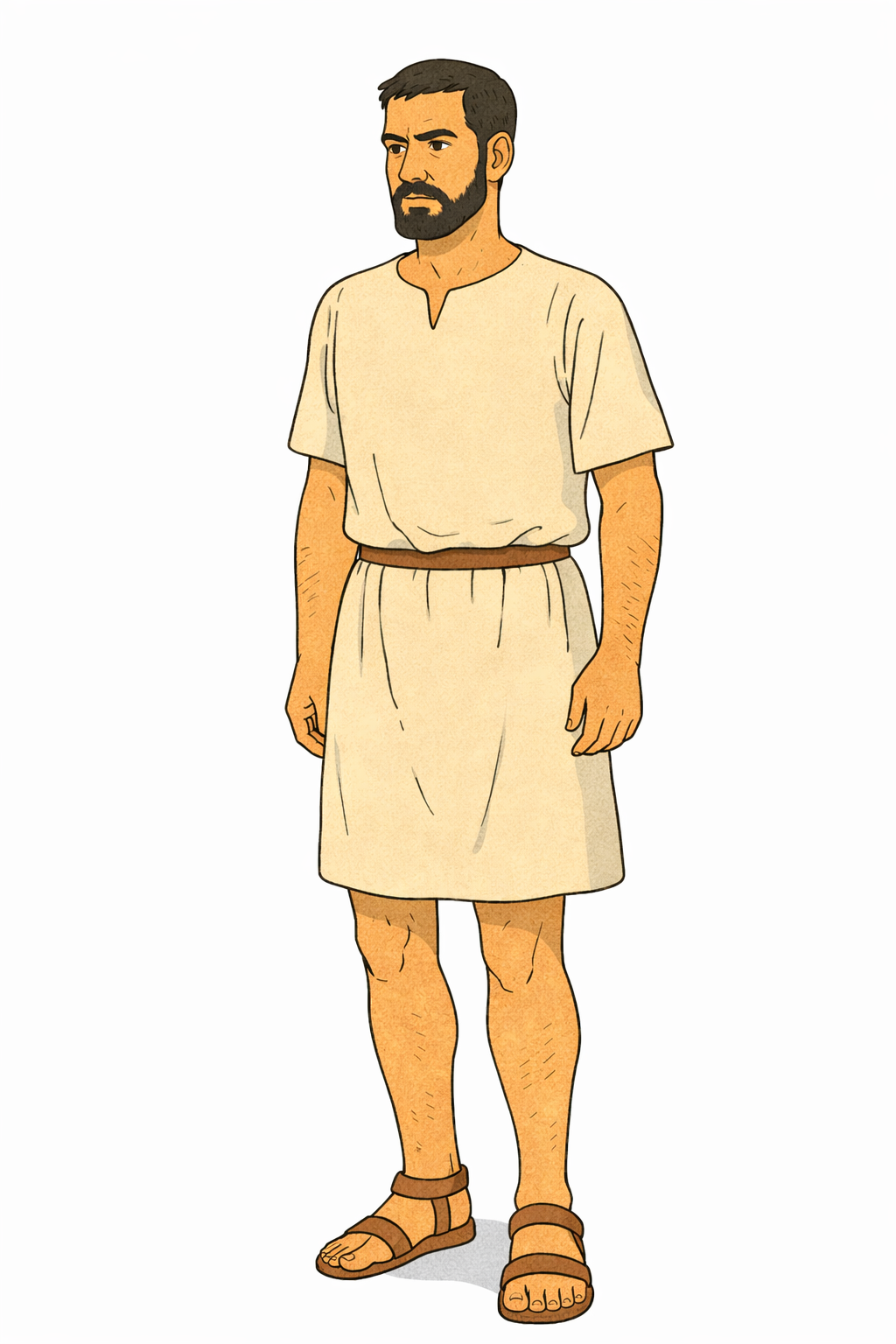
The House of Gaius (Domus Gaii) is a merchant-noble household in Pompeii that became the epicenter of the Roman industrial revolution. Originally a traditional wool-trading family, it successfully pivoted to mechanized production following the activation of the Lydian Stone by its administrator, Marcus.
Mandate/Charter #
To secure the survival of the household and the prosperity of the Picentian region through the application of superior manufacturing technologies.
Structure & Ranks #
- The Patriarch: Gaius Calidius (Financial lead)
- The Administrator: Marcus (Technical and daily operations lead)
- The Industrial Clients: A network of freedmen and smaller merchants operating the mechanized looms under Gaius's patronage.
Territory/Assets #
- The Villa of Gaius: Located in Pompeii; retrofitted with early steam engines and industrial looms.
- The Picentian Warehouses: Strategic hubs for finished cloth storage and distribution.
- The Steamboat Fleet: Advanced naval assets used for global trade, developed in collaboration with Livia and the other Sixteen Houses.
History #
The House rose to prominence in 79 AD when Marcus used blueprints from the future to save the family business from a regional drought and economic crash. By 80 AD, the House had effectively monopolized the textile market in southern Italy, forming the core of the Picentian industrial coalition alongside the houses of Aulus and others.