Snapshot #
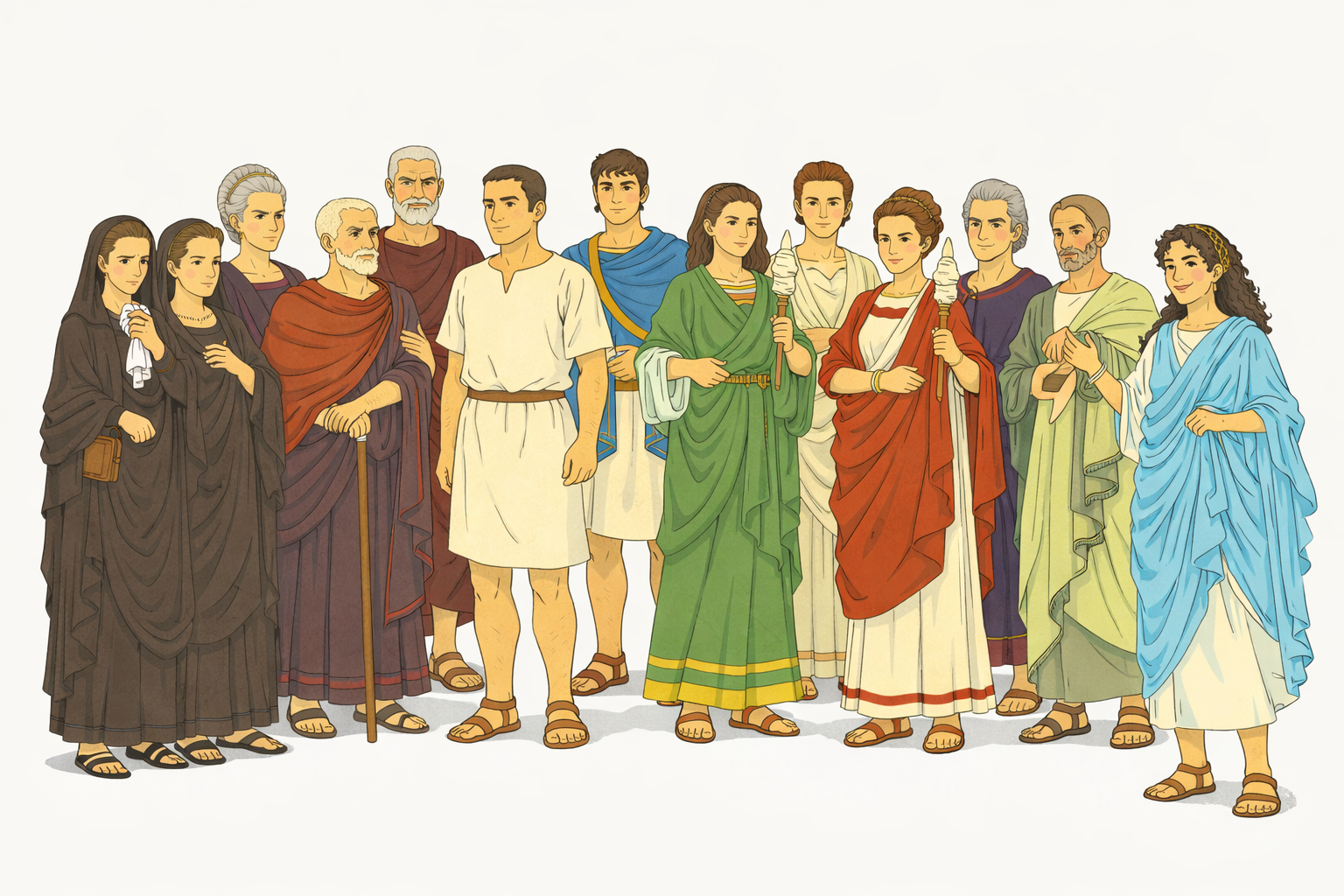
The Picentian Nobles are a coalition of local elites, landholders, and "Merchant Princes" in the Campania region. Driven by the existential threat of economic collapse following the eruption of Vesuvius (and the subsequent regional drought/crisis in the divergence), they partnered with the House of Gaius to finance and manage a rapid industrial transition.
Mandate/Charter #
To stabilize the regional economy of Picentia and maintain local autonomy through the control of advanced manufacturing technologies and global trade routes.
Structure & Ranks #
- The Core Council: Leading patriarchs and matriarchs who dictate regional economic policy.
- The Six Widows: A powerful sub-faction of elite women who manage significant shares of the textile assets.
- Client Merchants: Smaller traders and freedmen who handle the logistical distribution of industrial goods.
History #
In the summer of 79 AD, the Nobles executed the "Regional Bailout," buying up the entire regional supply of wool to prevent a collapse and consolidate market control. This gamble, while initially successful, led to the "Yarn Glut" and forced a pivot toward mechanized weaving and steam power. By 80 AD, they had become a de facto industrial state, leading to direct conflict with the Imperial Procurator.
Key Members #
- Aulus: Patriarch of the House of Aulus and primary strategist for the Nobles (executed in 80 AD).
- Gaius Calidius: Patriarch of the House of Gaius and financial lead.
- Livia: Matriarch of the House of Aulus and leader of the Lanifica.