Snapshot #
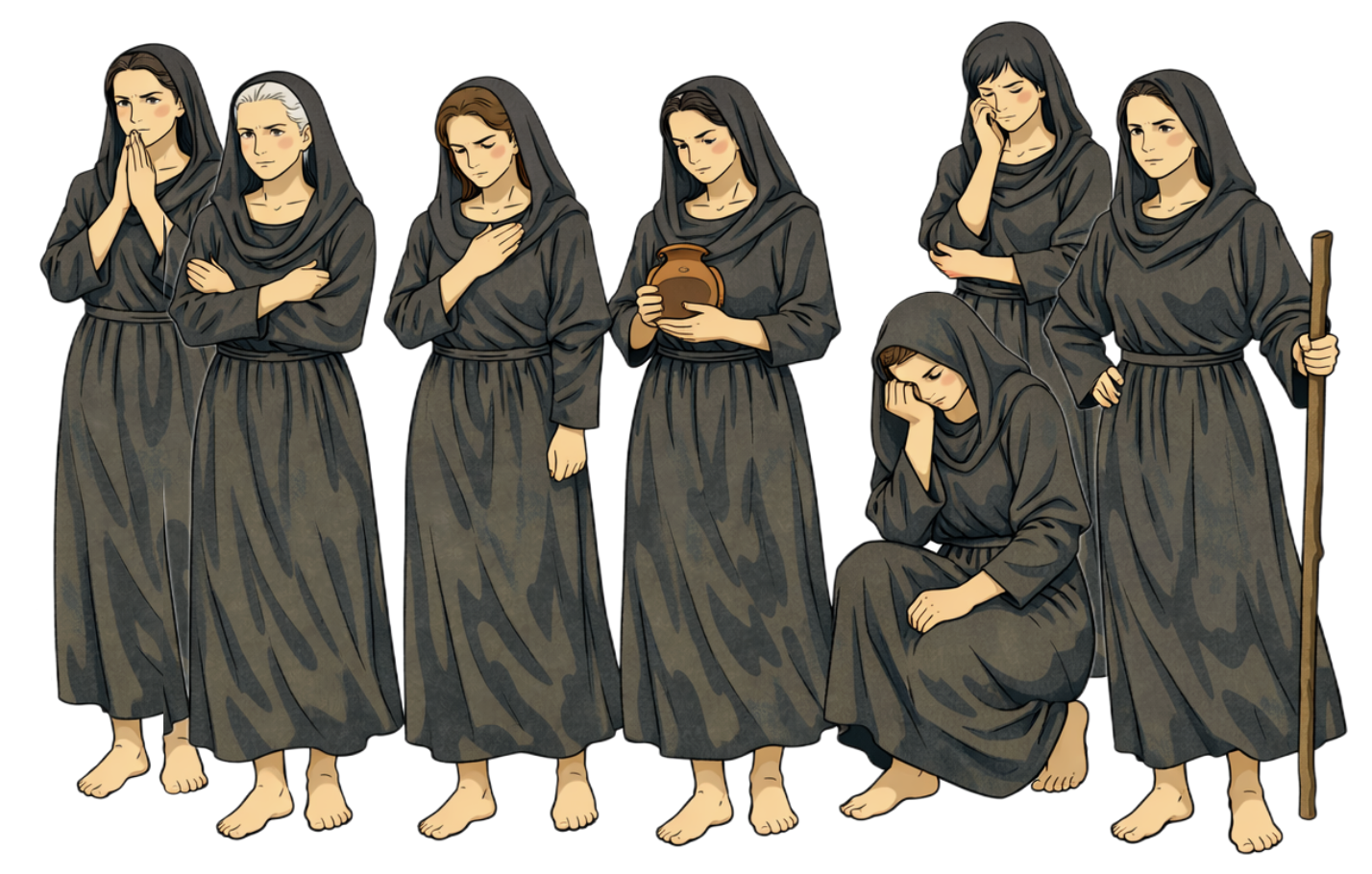
The Seven Widows is an informal but powerful political coalition in Picentia. Comprised of the matriarchs of seven influential noble houses, the group controls the primary economic backbone of the industrial divergence. Under the leadership of Livia, they evolved from industrial managers (the Lanifica) into a radical insurgency committed to a total break from Rome.
Mandate/Charter #
Originally formed to secure the survival of their estates following the eruption of Vesuvius, the group's mandate shifted to regional sovereignty and violent retaliation following the execution of Aulus.
Structure & Ranks #
- Strategic Leader: Livia (Architect of the insurrection)
- The Core Six: The original six noblewomen who controlled the largest estates and wool interests in Campania.
- The Lanifica Command: The administrative layer used to manage factory labor and, later, the production of war materials.
History #
Initially known as the Six Widows, this group was rallied by Livia in 79 AD to remain in Campania and invest their capital into mechanized production. They became the senior management of the first industrial factories.
The group was radicalized in 80 AD following the assassination of Aulus. Livia joined them as the seventh and most extreme member, transforming the coalition into The Seven Widows. They orchestrated the decapitation of the Roman envoys in 81 AD, signaling the start of open war.