Editorial Note #
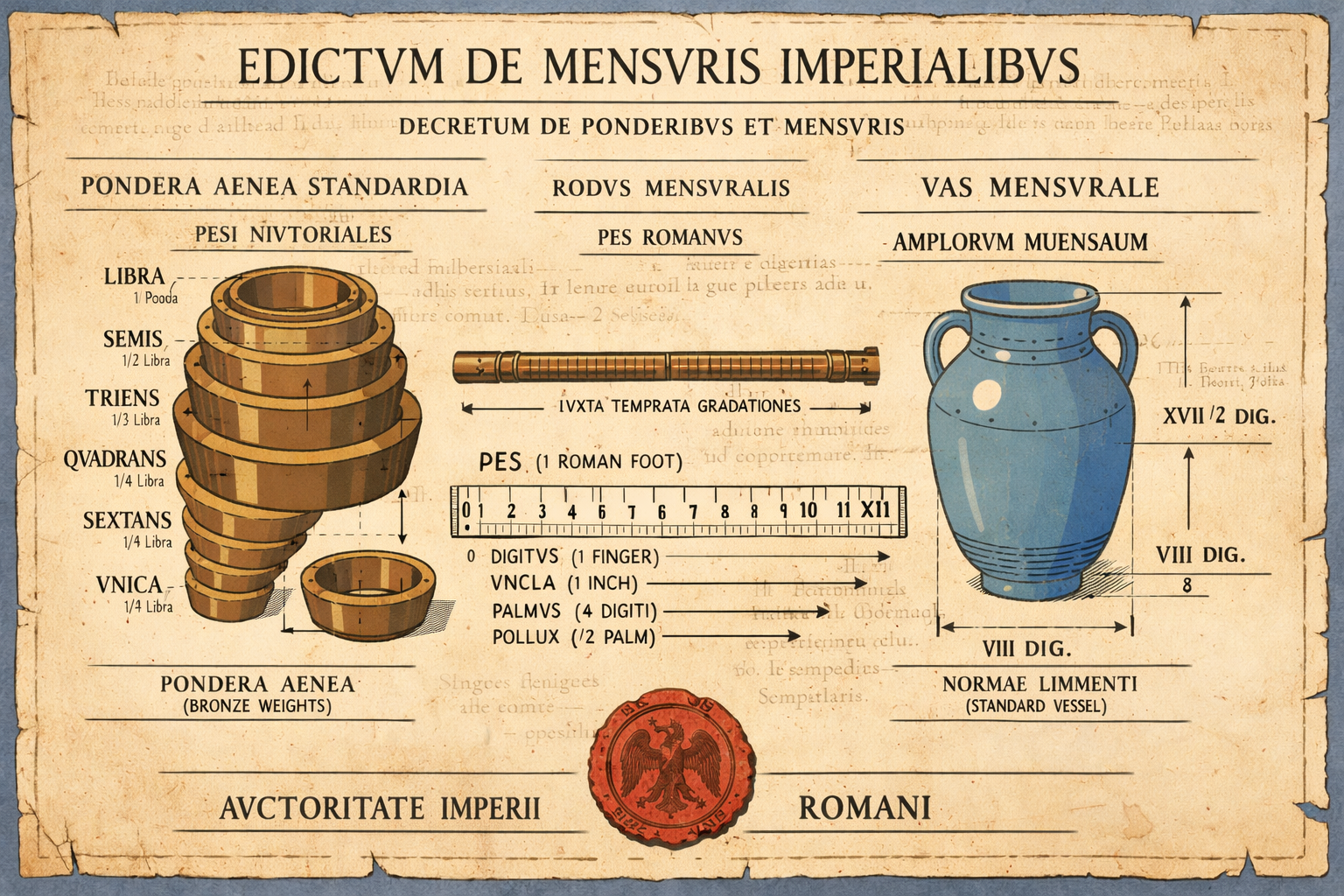
This edict represents the first formal Imperial response to the "Yarn Glut" and the subsequent industrial success in Picentia. It was issued by the Imperial Procurator, Titus Claudius Sospes, as a means to standardize—and therefore tax—the industrial output of the House of Gaius.
Text (Fragmentary) #
"...concerning the new mechanical wheels and the yarn produced therefrom: let no merchant of Picentia sell cloth that does not meet the Imperial Standard of the libra and the pes. Any machine that produces in excess of the traditional loom shall be registered with the Procurator's office. A seizure of nine parts in ten of all industrial surplus is hereby decreed for the glory of the Emperor Titus..."
Commentary #
The Edict was not merely a law about measurement; it was a "Commodity Trap" designed to bankrupt the Picentian Nobles. By defining the industrial surplus as state property, the Procurator forced the regional elite into a choice between total economic surrender or open rebellion. Aulus's public mockery of this edict's "administrative puzzle" was the direct cause of his execution.
Provenance #
Fragments of this edict were found posted at the site of the former Imperial administrative office in Picentia.