Overview #
The Engine of Empire Era encompasses the first year of the temporal divergence (79–80 AD). Triggered by the exchange of knowledge via the Lydian Stone, this period is defined by the "Textile Revolution" in the Campania region. The House of Gaius, guided by blueprints from the future, successfully mechanized yarn production to survive a regional economic collapse.
Calendar & Dating #
Dating remains consistent with the Roman calendar, but is often referenced in the archives as "Year 1" of the divergence.
Major Events #
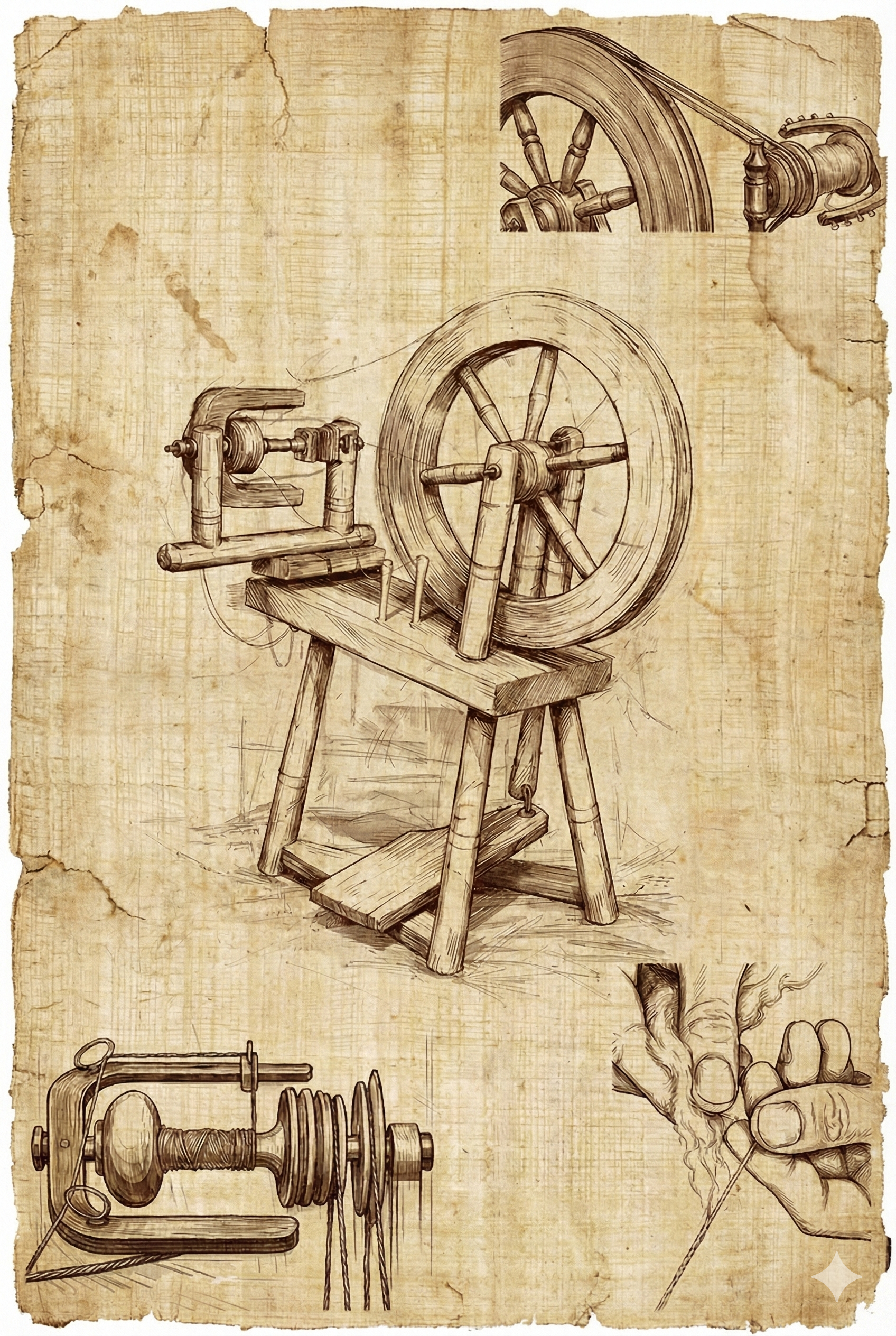
- The First Blueprints (Spring 79 AD): The introduction of the mechanized Spinning Wheel to the refugees of Pompeii.
- The Regional Bailout (Summer 79 AD): Gaius and associated nobles consolidate the wool market, stabilizing the local economy through industrial efficiency.
- The Yarn Glut (Autumn 79 AD): Massive surplus of yarn forces a pivot to mechanized weaving and finished cloth production.
Major Factions #
- The House of Gaius: The central industrial hub and primary beneficiary of future knowledge.
- The Picentian Nobles: A coalition of regional interests supporting the new industrial methods for survival.
Notable Figures #
- Marcus: The primary Roman contact and administrator of the first factories.
- Gaius Calidius: The merchant patriarch who financed the transition to industry.